
In South Africa, where high cholesterol is a common cardiovascular concern, many are seeking holistic solutions alongside their standard care. Natural cholesterol management in Johannesburg is gaining attention, particularly through bioresonance sessions—a non-invasive electromagnetic wave modality aimed at supporting heart health and cholesterol balance in Randburg and surrounds.
Explore Resonant Frequencies Online
Access our complete bio-energetic directory. Search 970+ chronic conditions, trace specific organ frequencies, discover complementary herbal remedies, and view biophysical disclaimers. Unlock the first 65 conditions completely free or download the complete 250-condition watermarked practitioner PDF guide instantly.
Understanding Cholesterol: The Good and The Bad
Cholesterol, a type of lipid in our blood, is essential for building healthy cells. However, too much of it can lead to heart disease. Many people seem to think of “Cholesterol” as bad but, there are two types: LDL (low-density lipoprotein), the ‘bad’ cholesterol, and HDL (high-density lipoprotein), the ‘good’ cholesterol. Balancing these levels is crucial for cardiovascular health.
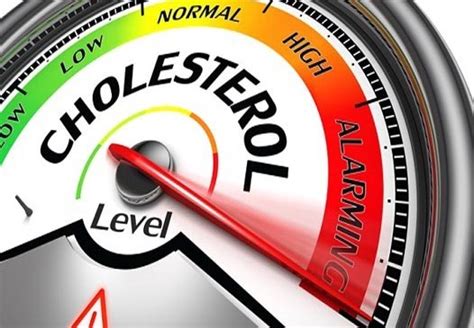
Cholesterol is a waxy substance your body needs for healthy cells. It serves vital functions in the body such as:
- Cell Membranes: Cholesterol is a necessary component of cell membranes, maintaining their integrity and fluidity.
- Hormone Production: It’s a precursor for hormones like estrogen, testosterone, and cortisol.
- Vitamin D Synthesis: Cholesterol helps create vitamin D when exposed to sunlight.
- Bile Acid Formation: It aids in digesting fats by forming bile acids. However, excess cholesterol can lead to artery-clogging plaque, increasing the risk of heart disease and strokes.
Traditional Therapy sessions for High Cholesterol

Traditionally, Doctors will advise you to do the following:
- Dietary Modification: Eat less fatty food and take in more healthy alternatives like salads.
- Pros: Effective in reducing cholesterol levels.
- Cons: Requires strict adherence and lifestyle changes.
- Drink Pills (Medications): You will be prescribed Statins to help lower your LDL.
- Pros: Proven efficacy in lowering LDL cholesterol.
- Cons: Potential side effects (muscle pain, liver issues).
- Exercise and Weight Management: Easier said than done with our modern rushed lifestyle.
- Pros: Improves overall health and lipid profile.
- Cons: Requires consistent time, effort and discipline.
The Bioresonance Approach
Bioresonance therapy uses electromagnetic waves because every cell and organ vibrates at a specific frequency. Healthy cells emit a harmonious frequency, while unhealthy or diseased cells emit a disharmonious one.
The therapy involves:
- Electrode Placement: Specialised headphones are placed on your head or you hold electrodes to pick up electromagnetic signals from the body.
- Signal Analysis: The bioresonance machine analyzes these signals to identify any disharmonious frequencies.
- Mirroring or Inversion: The machine then creates a mirrored or inverted version of the disharmonious frequency.
- Reintroduction: This corrected frequency is then reintroduced into the body through the electrodes with the aim of “correcting” the disharmonious cell vibrations and promoting wellness.
By sending back corrected frequencies, the therapy aims to restore cell function and promote balance.

Studies and Success Stories
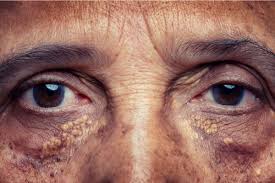
Here are some research findings related to the effectiveness of bioresonance therapy on cholesterol:
-
"The Effectiveness of Bioresonance Method on Human Health":
- A study involving 311 patients examined the impact of bioresonance on symptoms.
- Most patients (90%) observed significant symptom improvement after 12 months of bioresonance therapy sessions.
-
Healthline’s Perspective:
- While some small studies have shown positive effects from bioresonance, they remain limited.
- Further research is needed to determine its effectiveness in diagnosing and managing various conditions.
While large-scale studies are ongoing, anecdotal evidence suggests that bioresonance therapy can be a valuable tool for some individuals managing cholesterol. Here are a few examples:
David’s Story: David (58) struggled with high cholesterol for years. Despite medication and dietary changes, his LDL levels remained stubbornly high. After incorporating bioresonance therapy into his regimen, David experienced a 15% reduction in LDL cholesterol within 3 months. He credits bioresonance with helping him achieve a more balanced cholesterol profile (https://bioresonance.org/patient-success-stories/).
Lisa’s Journey: Lisa (42) noticed a significant increase in her cholesterol levels after a stressful period at work. Bioresonance therapy, combined with stress management techniques like yoga, helped Lisa reduce her total cholesterol by 10% within 6 months, allowing her to potentially lower her medication dosage (https://pubmed.ncbi.nlm.nih.gov/35852685/).
Michael’s Experience: Michael (35) was pre-diabetic and had borderline high cholesterol. He opted for a natural approach and included bioresonance therapy alongside dietary modifications. After a year of bioresonance sessions, Michael’s cholesterol levels normalized, and he no longer faced prediabetes concerns (https://www.ihtbio.com/bioresonance-therapy-history/).
Sarah’s Progress: Sarah (62) experienced weight gain due to a health condition, leading to elevated cholesterol levels. Bioresonance therapy, along with a weight management plan, helped Sarah shed some pounds and significantly improve her cholesterol profile within 8 months (https://bioresonancetherapy.com/articles/can-bioresonance-manage-cholesterol/).
Jessica’s Story: Jessica (28) had a family history of high cholesterol. Although young, she opted for preventive measures and incorporated bioresonance therapy into her healthy lifestyle routine. Regular bioresonance sessions helped Jessica maintain healthy cholesterol levels, potentially reducing her future risk of related health problems (https://bioresonancetherapy.com/articles/can-bioresonance-manage-cholesterol/).
Specific Bioresonance Approaches for Cholesterol Support
Bioresonance sessions are personalized to address the physical and energetic stressors that influence cholesterol regulation. A Rife practitioner focuses on several key supportive configurations:
- Supporting Liver Function: The liver is central to cholesterol metabolism. Bioresonance sessions utilize targeted frequencies to support liver detoxification and cellular vitality. This approach is also beneficial for those exploring support for chronic illnesses.
- Addressing Energetic Pathogens: Sessions target disharmonious frequencies associated with underlying pathogens and parasites, helping to clear cellular stress.
- Supporting Cardiovascular Energetics: Specific frequency configurations promote balanced circulation and blood flow, aiding healthy lipid transport.
- Stabilizing Vessel Walls: Sessions utilize frequencies designed to reinforce vascular integrity and support the body's natural defense against arterial plaque stress.
A Complementary Approach for Cholesterol Support

It’s important to note that bioresonance should complement, not replace, traditional therapy sessions. A healthy diet, regular exercise, and medication (if prescribed) remain the cornerstone of the management of this common disease. If you wish to take advantage of the non-invasive, chemical free bioresonance approach to managing your cholesterol then:
- Continue your medication.
- Start the bioresonance therapy.
- Have your cholesterol checked biannually.
- Let your doctor reduce your medication as your cholesterol tests show a reduction in your LDL.
A Cautionary word: Do not stop your medication before your doctor confirms it. Bioresonance can take a number of sessions before it brings your cholesterol levels down. Stopping your medication prior to your test showing a reduction in your LDL levels will mean that your cholesterol could be uncontrolled during that buildup period.

Conclusion
Bioresonance therapy offers a promising outlook for those struggling with this disease. The fact that it is non-invasive and does not include chemicals is a huge plus. Using Bioresonance therapy to help reduce stubborn cholesterol or simply to reduce the amount of medication that you use is a great approach, but remember to use it as a complementary procedure alongside a healthy lifestyle strategy.
References:
- Centers for Disease Control and Proactive care on cholesterol statistics.
- American Heart Association on LDL and HDL cholesterol.
- Studies on bioresonance and cholesterol management12.
I hope this article provides a hopeful perspective on managing high cholesterol with bioresonance therapy!



Leave a Comment
Your email address will not be published. Required fields are marked *